
Electrical Safety Audit
Table of Contents
Electrical Safety Audit
An electrical safety audit (ESA) is a systematic evaluation of electrical installations to ensure that it’s safe for people, equipment and operation of the entire facility. The audit helps you to identify potential electrical hazards, non-compliances and unsafe practices that could lead to electric shock, fire, equipment damage or any kind of unscheduled shutdowns.
In premises under varying load conditions, unnoticed safety gaps can gradually turn into serious risks. An ESA helps your organisations to understand the actual condition of your electrical facilities and thereby helps to take corrective actions.
Why You Go for ESA
Electrical incidents are easily preventable when safety risks are identified early. Loose connections, improper earthing, overloaded circuits, damaged insulation and missing protective devices can silently increase the risk of electrical accidents and fire.
An ESA helps in:
Reducing the chances of shock and fire hazards
Protecting the personnel working near electrical systems
Improving reliability of the system and thereby ensures the system operations without interruptions
Ensuring the system is in compliance with all applicable electrical standards such as Occupational Safety and Health Administration (OSHA), National Fire Protection Association (NFPA) and National Electric Code (NEC)
Meeting insurance requirements and safety documentation
Regular audits is a proof of proactive safety culture and help your organization avoid costly equipment failures, penalties and thereby preventing reputational damage.
What the Audit Involves
The electrical safety audit process involves three phases, which are Pre-inspection review, Detailed on-site assessment and post-audit evaluation so as to ensure a complete understanding of the electrical system.
Key activities in ESA process are:
Pre-inspection Review
Reviewal of all available electrical documents such as Single Line Diagrams (SLD), manufacturer provided equipment details and previous inspection records if any. This step helps in understanding system configuration and operating conditions.
Visual Inspection of Electrical Installations
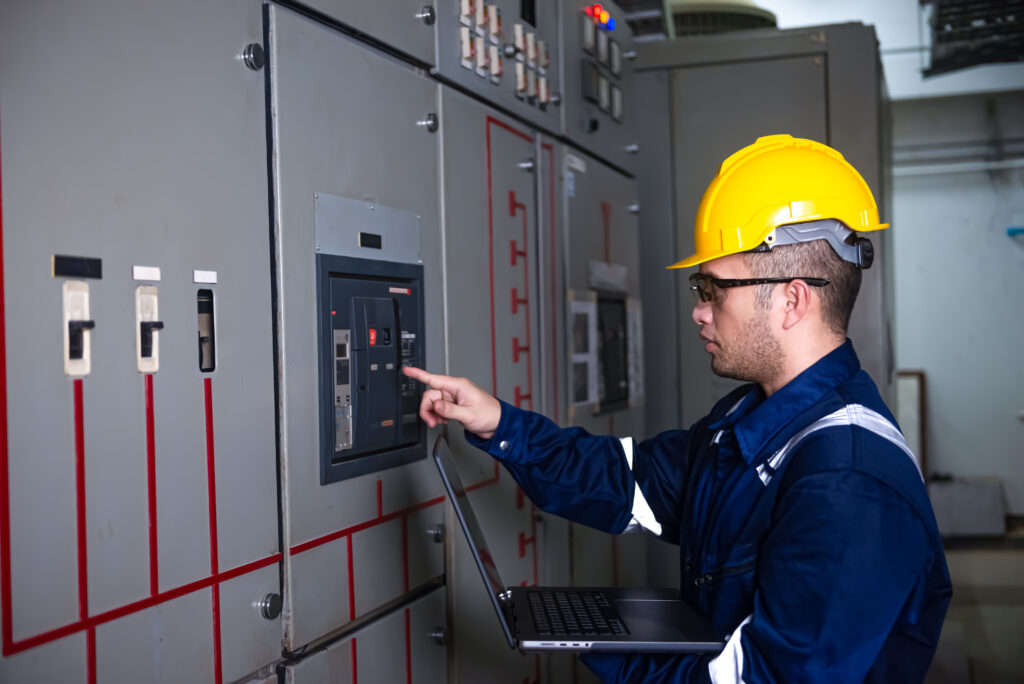
A detailed inspection of electrical panels, switchgear, inspection of cabling and associated components in distribution boards (DBs, MDBs, SMDBs, Control panels & Meter panels).
Earthing and Bonding Assessment
Validation of earthing and bonding systems to ensure fault protection.
Protective Device Verification
Detailed assessment of protective devices including MCCBs, ACBs, RCCBs, fuses and relays for its correct rating, coordination, and safe operation.
Cabling and Termination Checks
Inspection of cable routing, quality of termination, condition of cable insulation, mechanical protection and check for any signs of overheating or damage.
Safety and Accessibility Review
Review of warning signage, Proper labelling of equipment, access clearances, panel housekeeping and safe working conditions around each electrical equipment.
Identification of Unsafe Practices
Cross-verification for the presence of temporary connections, unauthorized modifications, overloading conditions if any.
Post-Audit Evaluation and Reporting
Electrical documentation of observations from site along with risk categorisation, supported by clear fault findings and corresponding practical recommendations.
The audit is conducted with reference to applicable standards and best practices such as IEC standards, OSHA (Occupational Safety and Health Administration), NFPA (National Fire Protection Association) and NEC (National Electric Code).
Typical Applications of ESA
Electrical safety audits are recommended for the following:
Commercial buildings and offices
Industrial facilities and manufacturing plants
Data centres and critical infrastructure
Hospitals, schools, and public facilities
Before expansion or load increase of existing installations
Facilities preparing for third-party inspection or insurance review
Why Inzpire Is the Right Choice
Our electrical safety audits are conducted by practical field engineering experience; it is not just checklist inspections. We understand how electrical systems behave in real operating conditions—especially under high ambient temperatures, continuous loads, and mixed-use environments common Dubai and other emirates.
Our engineers focus on:
Identifying real safety risks, not just documentation gaps
Providing clear, prioritised observations with risk categorisation as per proper standards
Offering practical and achievable recommendations against each finding
Delivering easy-to-understand reports that supports corrective action planning
By choosing us, clients gain a reliable safety partner committed to protect people, assets, and electrical systems through accurate assessment and professional engineering judgement.